Of the supplements that have accumulated a substantial body of published research over the past three decades, creatine stands apart in one important respect: the consistency of the evidence. Across independent nutritional journals, peer-reviewed sports science research, and the daily supplement logs of active men in Jakarta's gym culture, the name appears with a familiarity that few other entries in the supplement category can match.
Creatine in the Context of Published Nutritional Research
The volume of published research on creatine is, by the standards of the supplement category, unusually large. Peer-reviewed journals in sports nutrition, exercise science, and nutritional biochemistry have engaged with it continuously since the early 1990s. For editorial publications like Orave Press, this density of source material is both an advantage and a responsibility: the quality of the evidence varies, and the task is to reflect what is well-documented rather than what is merely frequently claimed.
What published research consistently reflects is this: creatine supports physical output over time in resistance training routines. The mechanism, as documented in independent nutritional and biochemistry literature, relates to the body's phosphocreatine system — a rapid energy pathway particularly relevant during high-intensity physical activity. For active men whose routines include regular resistance training, this makes creatine a logically positioned addition to a supplement stack.
The editorial emphasis here is on "over time". Published research does not support the characterisation of creatine as a substance that produces immediate or consistent progress in a short window. The documented pattern, consistent across multiple independent studies, is of gradual, sustained support for physical output across weeks of consistent supplementation alongside a structured training routine. This measured framing is important for anyone approaching the supplement literature with an editorial eye.
"The supplement literature on creatine is distinguished not by extravagant claims but by an unusually consistent pattern of evidence across independent sources — a rarity in this category." — David Fraser, Orave Press
How Active Men in Jakarta Document Creatine Use
In supplement journals maintained by men with consistent gym routines in Jakarta, creatine tends to appear at a specific stage in the supplement journey. It is rarely the first addition — vitamin D, protein powder, or a basic multivitamin typically precede it. It arrives when a man's routine is already established and his attention turns from foundational nutritional coverage to performance-adjacent support.
This staging is instructive. It suggests that men who are approaching supplementation with some degree of intentionality tend to distinguish between what supports general nutritional balance and what supports specific physical output goals. Creatine falls clearly in the second category, which may explain why its appearance in journals tends to be accompanied by documentation of training frequency, session intensity, and recovery patterns.
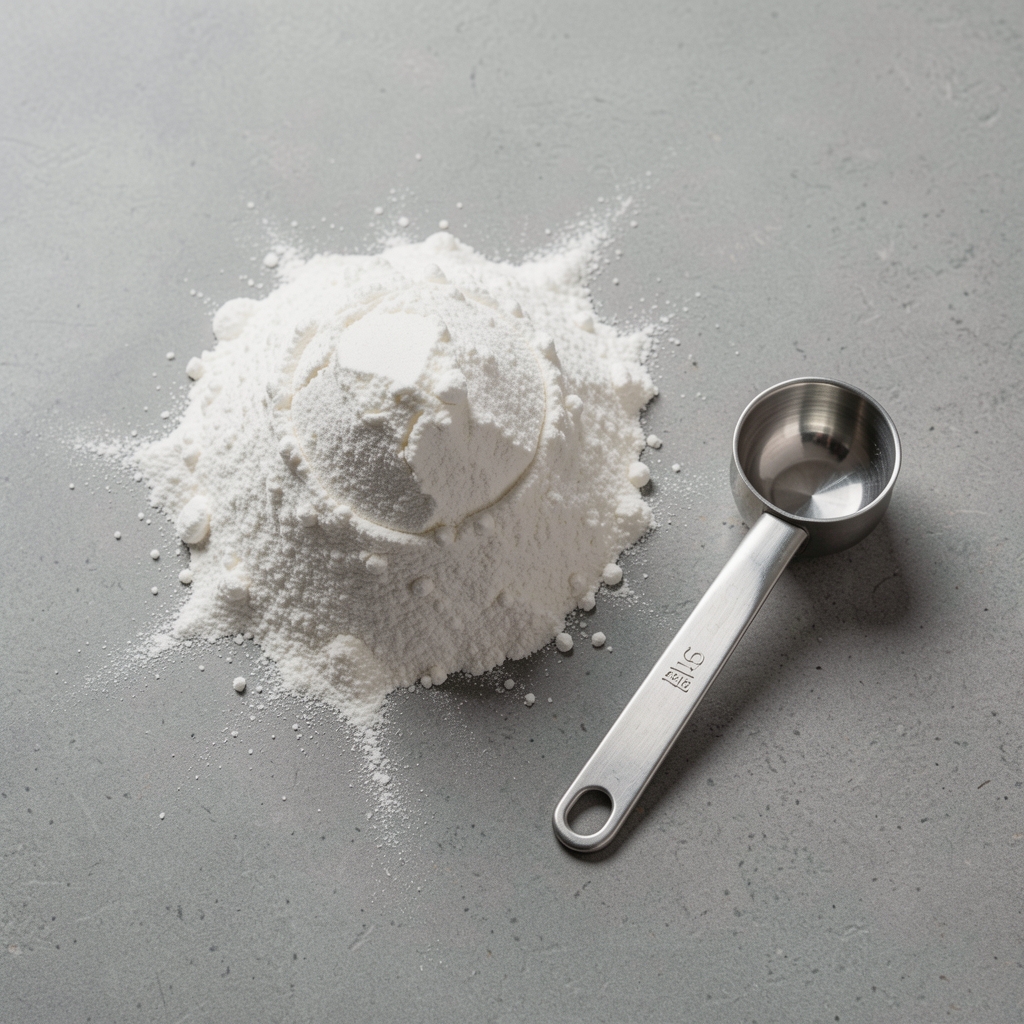
Typical documented usage follows a pattern consistent with published research guidance: a standard daily amount, taken consistently around the time of exercise, without the "loading phase" that older nutritional guidance used to recommend — a reflection of how the evidence base has matured over decades of research.
- Creatine supports physical output over time in resistance training routines — a finding consistent across decades of independent published research.
- In active men's supplement journals, creatine typically appears after foundational supplements (vitamin D, protein) are already established in the routine.
- Contemporary published guidance no longer emphasises loading phases — daily consistent intake is the pattern reflected in current independent nutritional sources.
- Creatine monohydrate remains the most extensively documented form — the editorial position at Orave Press is to reference this form as the research baseline.
Creatine and Recovery: The Other Half of the Equation
Published research on creatine's role does not end at the point of physical output during a training session. A growing body of independent nutritional literature engages with the recovery dimension — specifically, the pattern of how creatine in muscle stores may influence the rate at which active men feel prepared for their next training session.
This is an area where the editorial distinction between "established evidence" and "emerging observation" is important. The output-support role of creatine during resistance training is well-documented and consistent across independent sources. The recovery-support dimension is more recent in the published literature and, while the pattern of observation is interesting, an editorially responsible position is to note it without overstating its certainty.
For active men whose supplement journals document both training sessions and recovery quality, the co-occurrence of creatine in the stack alongside magnesium — which supports muscle recovery rhythm after physical activity — is a pattern worth noting. The two supplements address different aspects of physical output and recovery, and their pairing in active men's documented routines suggests an intuitive alignment with the available published evidence.
The Form Question: Monohydrate and the Published Baseline
The supplement market offers creatine in numerous forms: monohydrate, hydrochloride, ethyl ester, buffered variants, and combinations with other compounds. For an editorial publication working from published nutritional research, the form question has a clear answer: creatine monohydrate is the most extensively documented form, and the published evidence base is built almost entirely on research conducted with this variant.
Alternative forms are marketed with various claims about enhanced absorption or reduced side effects. Independent nutritional research has not, to date, produced consistent evidence that these alternatives offer meaningful advantages over monohydrate for the typical active man. The editorial position at Orave Press is straightforward: when documenting supplement choices for active men, monohydrate is the form against which published research is most meaningfully evaluated.
This does not preclude men from making different choices based on personal preference or tolerance. It simply means that when this publication references published research on creatine, monohydrate is the research baseline, and readers should understand that editorial claims reflect evidence gathered primarily for this form.
Creatine in the Broader Men's Supplement Stack
In the context of a broader men's daily supplement stack, creatine occupies a specific and well-defined role: physical output support for resistance training routines. It does not replace the foundational role of vitamins and minerals in daily nutritional balance. It does not address the range of nutritional needs that a varied diet and a comprehensive daily supplement routine cover. It is, in the editorial framing Orave Press finds most accurate, a specialist addition to a foundation that already includes vitamin D, magnesium, omega-3, and adequate protein intake.
The supplement journals of active men in Jakarta reflect this hierarchy naturally. Creatine appears as a deliberate addition, not a starting point. It is chosen with purpose and used with consistency. That pattern, observed across documented routines, aligns with the published research that regards creatine as a performance-adjacent tool rather than a foundational nutritional supplement.
Articles published on Orave Press are editorial in nature and reflect the writers' observations on everyday supplementation habits and nutritional awareness for active men. The content is not intended as professional advice, nor as guidance for the management of any specific condition. Readers with specific concerns about their daily routines are encouraged to speak with a qualified wellness professional.

David Fraser is a senior writer at Orave Press. His editorial focus is men's active lifestyle supplementation, with particular attention to the published research on performance-adjacent nutrients and gym nutrition habits in Southeast Asia.
More from this author →